

Corvette C3 Luggage Racks
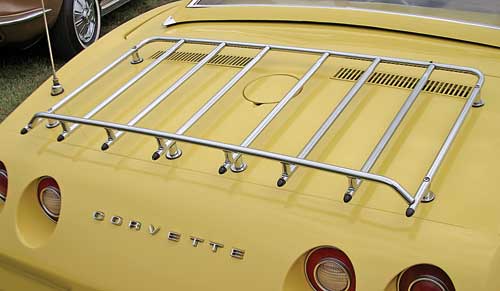

Luggage racks on C3 Corvettes have been
controversial for some time. Enthusiasts either love them or hate them for
different reasons. Personally I like them and I feel the rear deck looks
kind of blank without them. The racks were always available from GM and
were a dealer installed option until 1977 when they could be ordered as a
factory option code V54. V54 included the chrome rack and adapters for
carrying the roof panels. Cars coming from the factory with the V54 option
did not include the bags for storing the roof panels and did not include the
storage straps in the cargo compartment for anchoring the panels down. The
assumption by GM was that the roof panels would be stored on the luggage rack
when not in use.
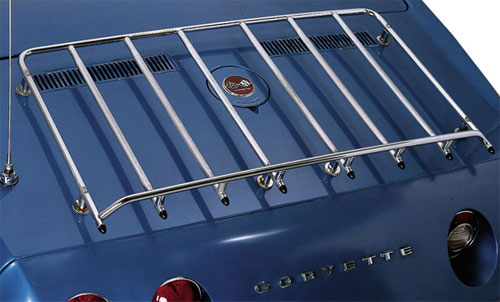
Original GM racks were chrome plated.
The 1977 racks had pins installed on four of the rails for securing the top
adapters. Luggage racks are now available in both chrome and stainless.
The pre 1977 racks were retained to the deck with six bolts while the newer 1977
racks were retained with eight bolts. All racks were retained by rubber
well nuts. This mounting system allowed the rack to be installed
completely from the top deck.
The bolt patterns of the racks differed from
one manufacturer to another. If you have a six bolt rack and wish to
change it to an eight bolt rack don't expect the six existing holes to line up
with your new rack. Before you replace a luggage rack make sure you
measure all hole dimensions so that you can compare them to the rack the
potential vendor may be selling.
The eight bolt chrome racks are designed to
accept the roof storage adapters. The adapters can be fitted to the six
bolt racks by drilling the rails and adding the retaining pins at the
appropriate locations. Some vendors offer the pin kits. They can
also be added to the stainless racks as well. (See diagram at bottom of page for
proper positioning of pins)
With the rear deck design change to
accommodate the larger glass window in 1978 the luggage rack option was no longer
available. In 1980 GM designed a completely different style rack for
carrying the roof panels. About 10% of Corvette production between 1980
and 1982 left the factory with the new V54 option.
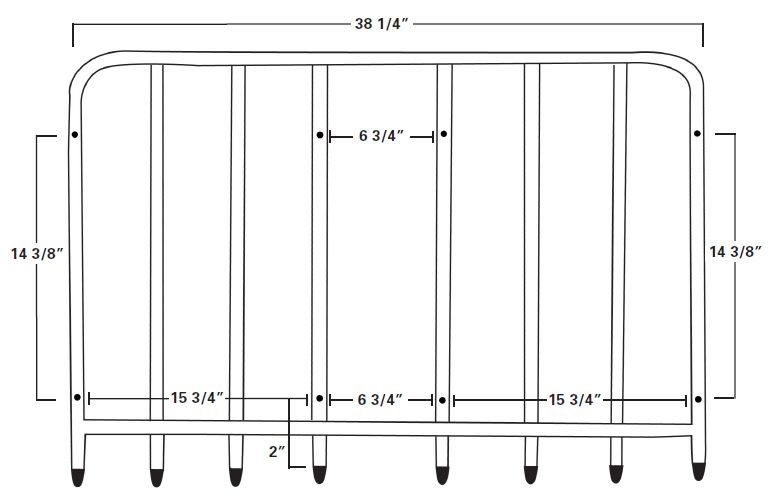
Below are the most common rack dimensions but
there are some manufacturers whose racks will differ. If you just adding a
new rack and the holes are non-existent then you do not have to worry but if you
are replacing a rack, the dimensions are important.
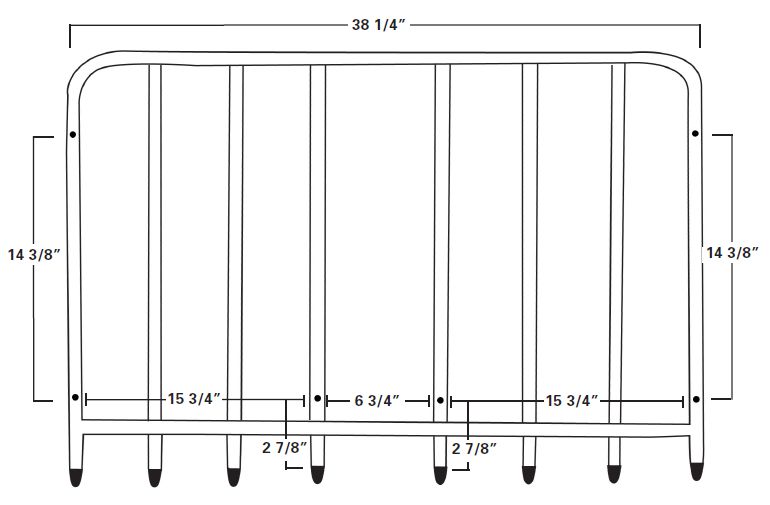
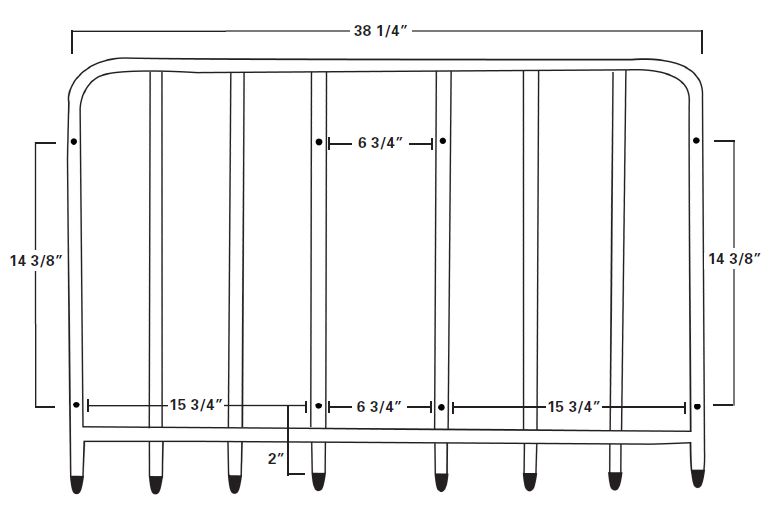
6 Hole Chrome
8 Hole Chrome
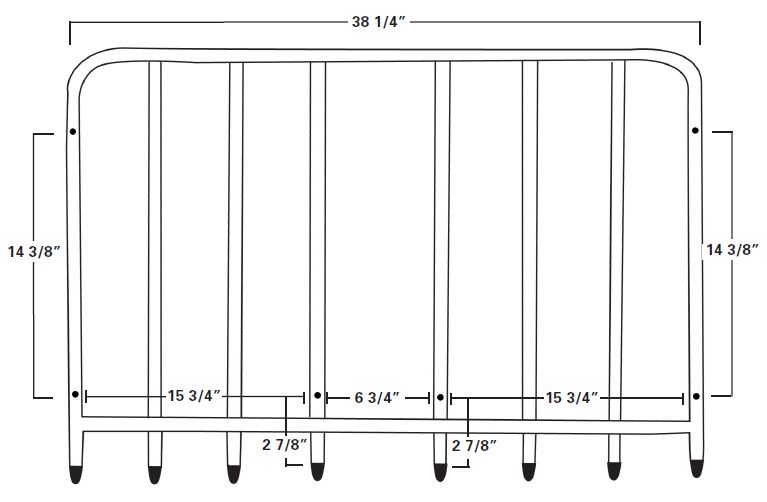
6 Hole Stainless
8 Hole Stainless
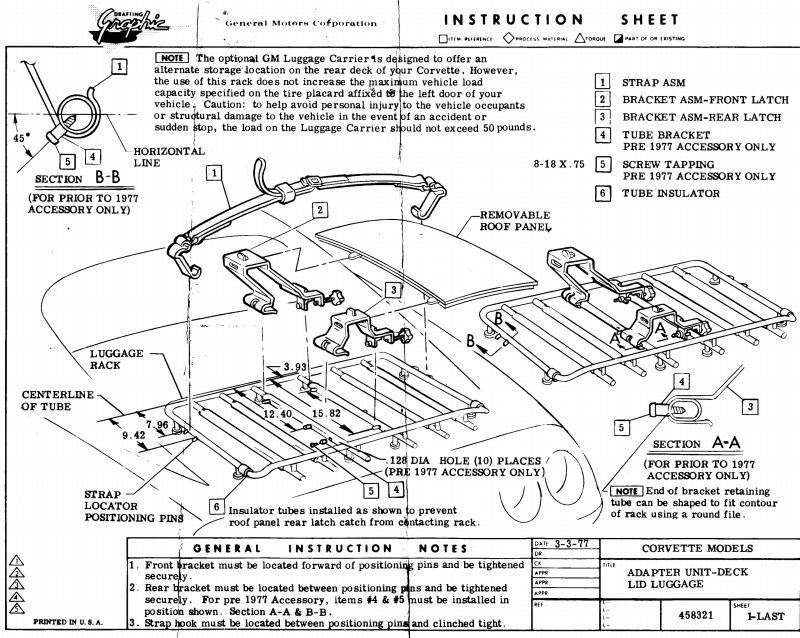
GM Installation Guide for
V54 Roof Panel Adapters on the Luggage Rack and Pin Positioning Dimensions
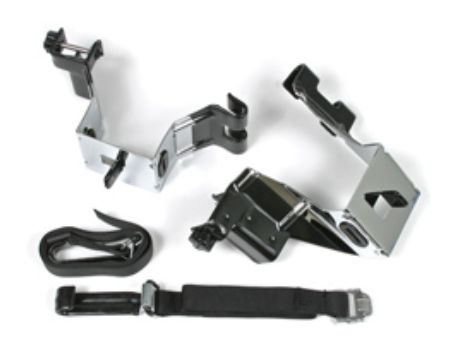
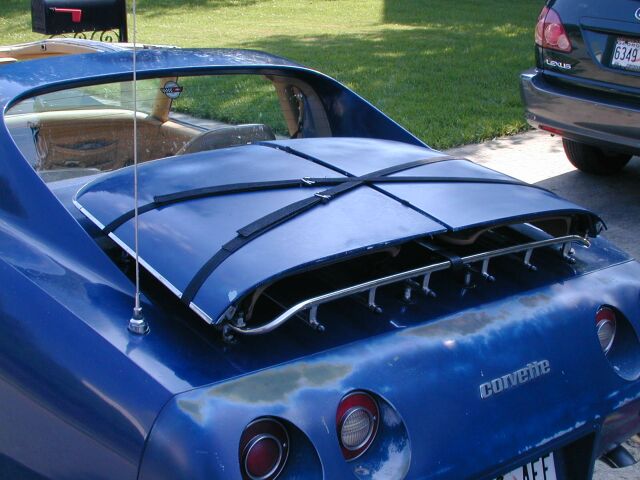
This is the Roof Panel
Adapter Kit that came as part of the V54 Luggage Rack Option. These
kits are available from many Corvette C3 Part Vendors
A word about the well nuts, because they cause more trouble
than the rack itself. A well nut is a rubber sleeve with a
threaded insert, and it does two jobs at once: it grips the deck
and it seals the hole against water. The rubber hardens with
age, and once it does it stops sealing and stops gripping. If
you are pulling a rack off a car that has not had one off in
thirty years, plan on replacing every one of them. They are
inexpensive, and they are the only thing standing between the
weather and the inside of your rear deck.
Go easy tightening them. You are threading into rubber that
is sitting in fiberglass, not into steel, and there is no
satisfying stop at the end. Snug is far enough. If you keep
pulling on the wrench you will spin the insert inside the
rubber, and then the only way out is to cut the old nut apart
and start over. Worse, you can crack the deck around the hole,
and that is a body shop repair on a panel everybody looks at.
Remember what the rack was designed to carry. GM put it there
for the roof panels and a soft bag or two, not for a load of
luggage. The deck under it is fiberglass and the load is spread
over six or eight rubber nuts, so keep it light and keep it
strapped down. Anything that can slide will find the paint
sooner or later.
Chrome or stainless is worth a thought before you buy. If you
are chasing originality then chrome is what left the factory and
chrome is what a judge expects to see. Stainless will not pit
or lift the way aged chrome does, and on a car that lives
outdoors or sees winter salt it will still look right in ten
years. I have seen plenty of good original chrome racks ruined
by nothing more than being left wet.
One last thing for anyone thinking of taking a rack off for
good. Those six or eight holes do not disappear when the rack
does. Filling them properly and blending the paint across a
rear deck is real bodywork, and matching an original finish is
not a driveway job. It is worth deciding whether you truly
dislike the rack before you start, because putting it back on is
a great deal easier than taking it off for ever.