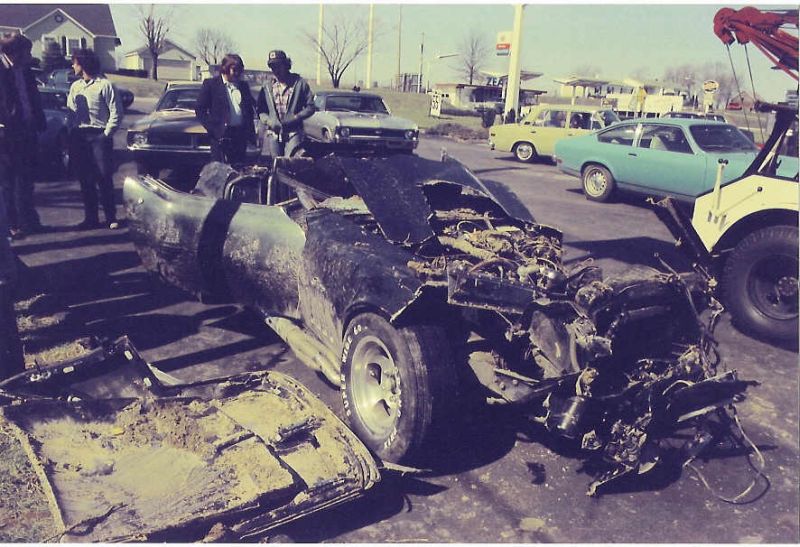

Corvette C3 Salvage or Restoration
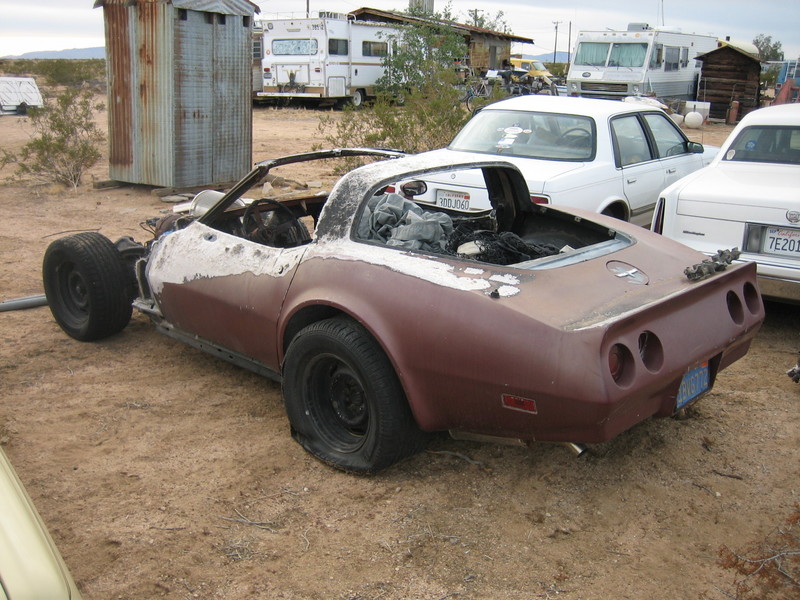
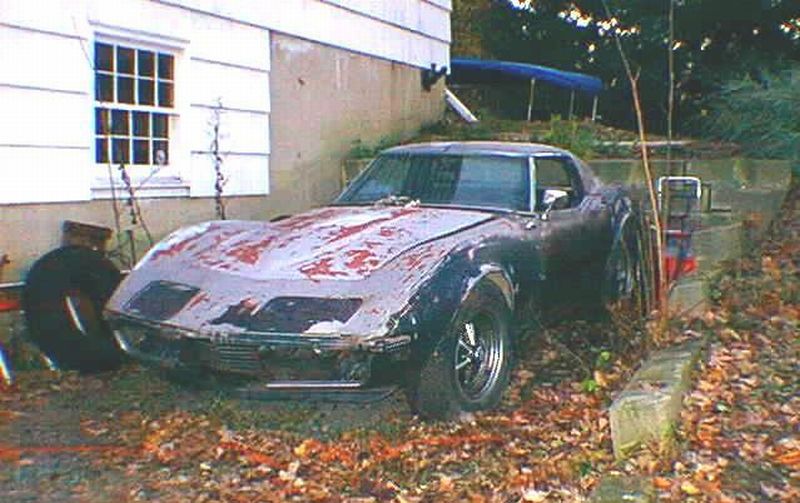
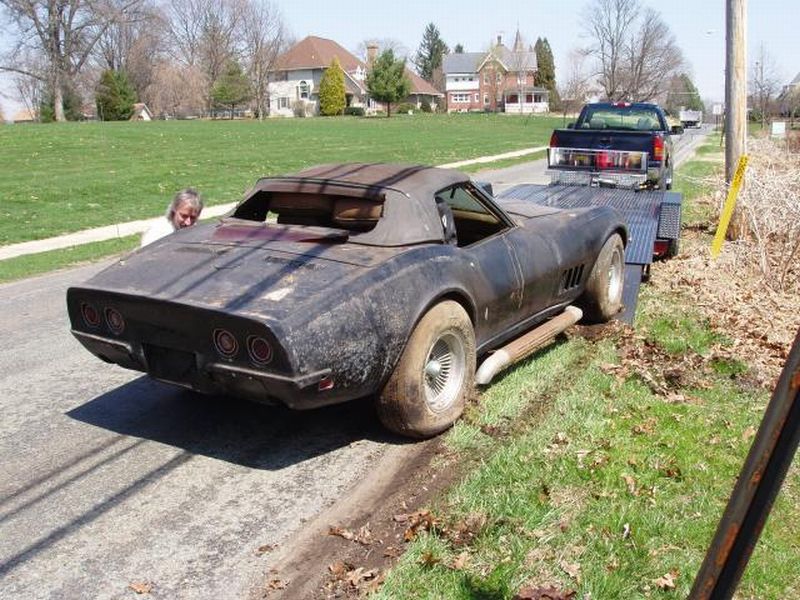
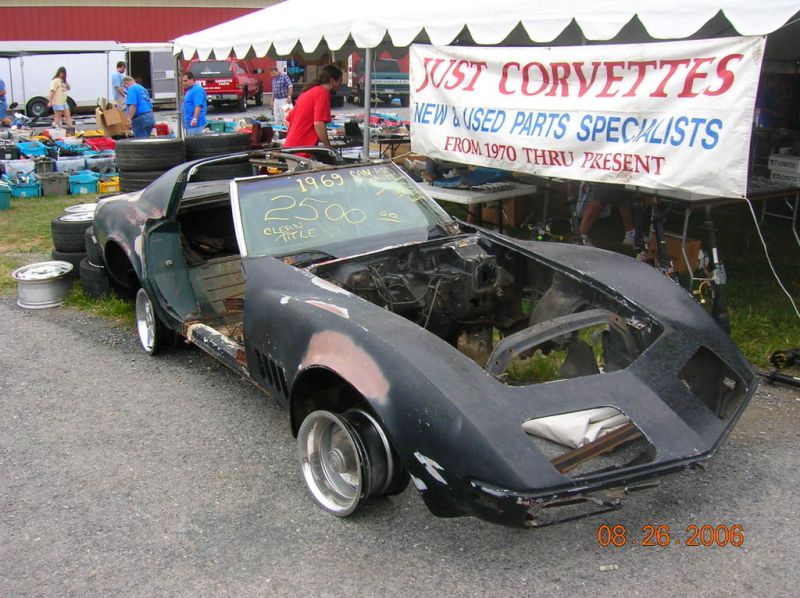
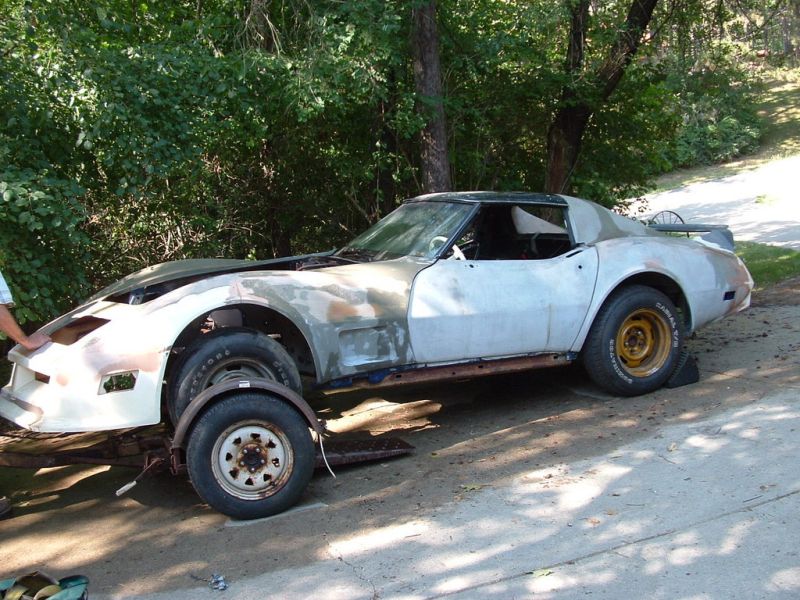
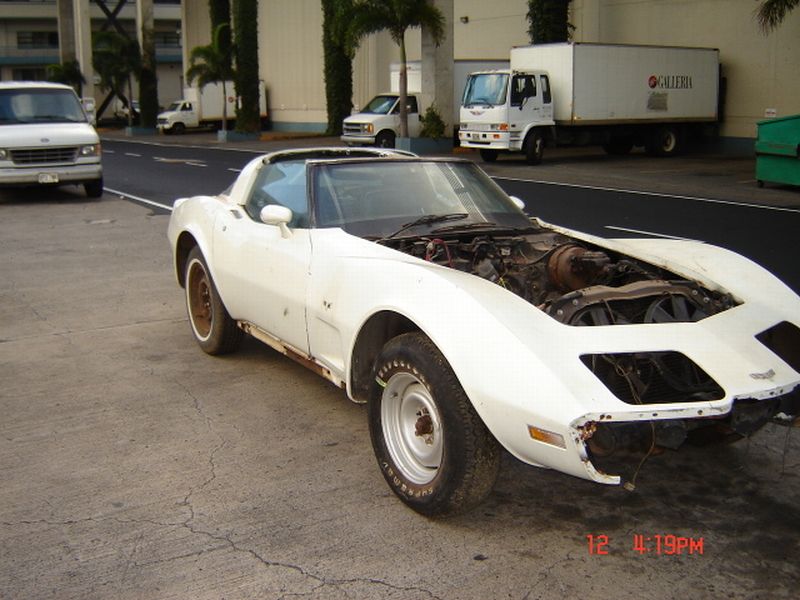
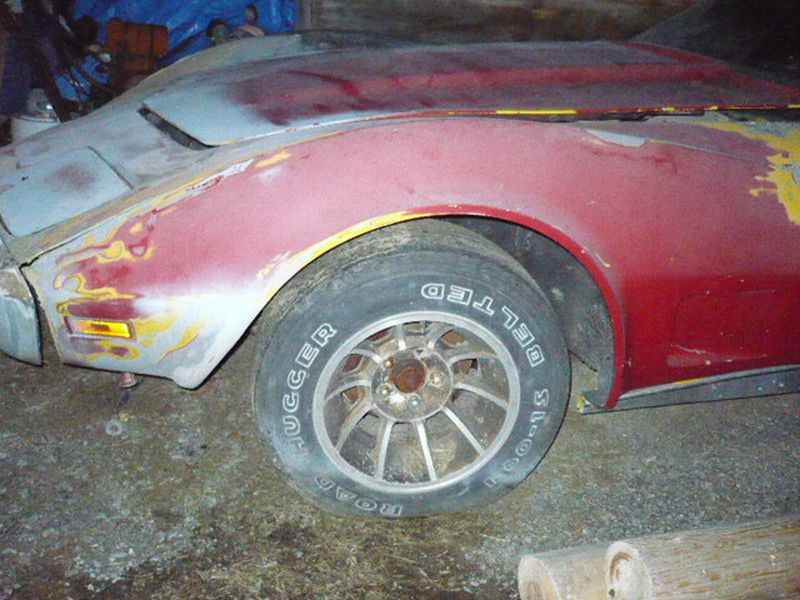
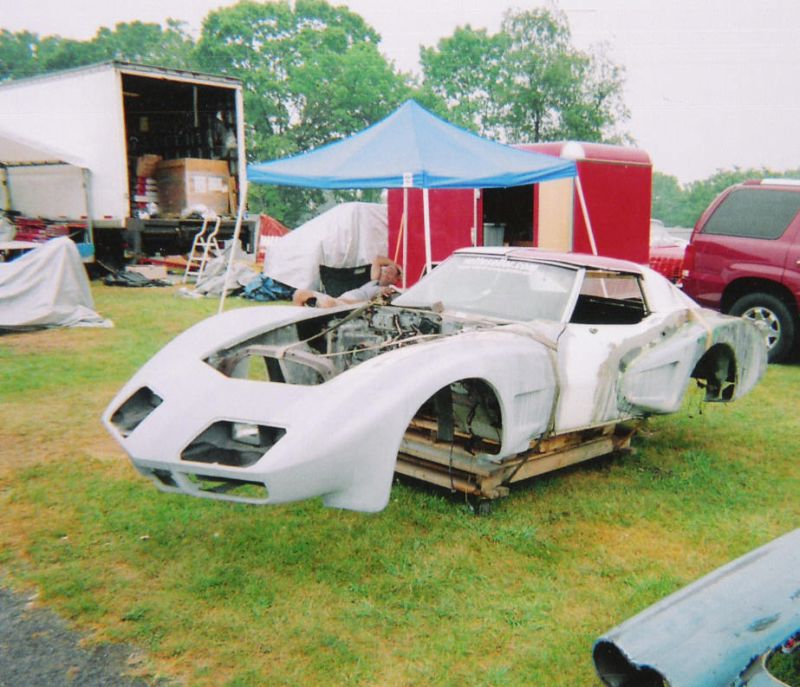
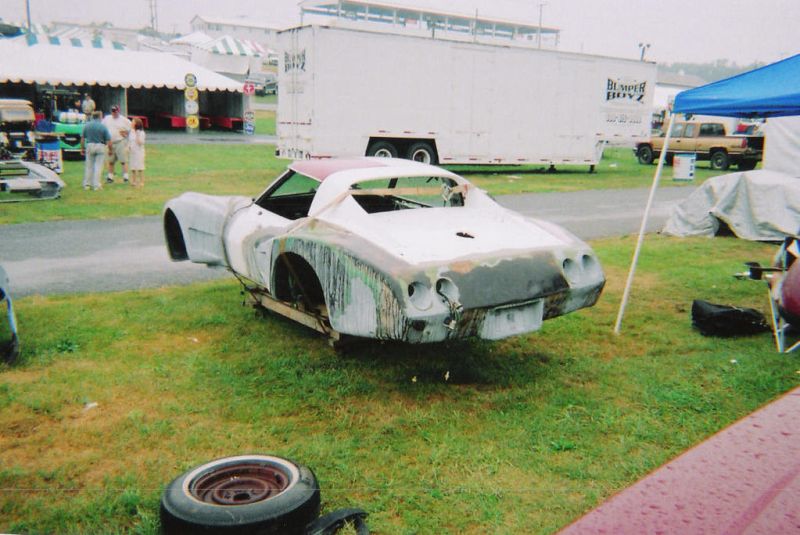
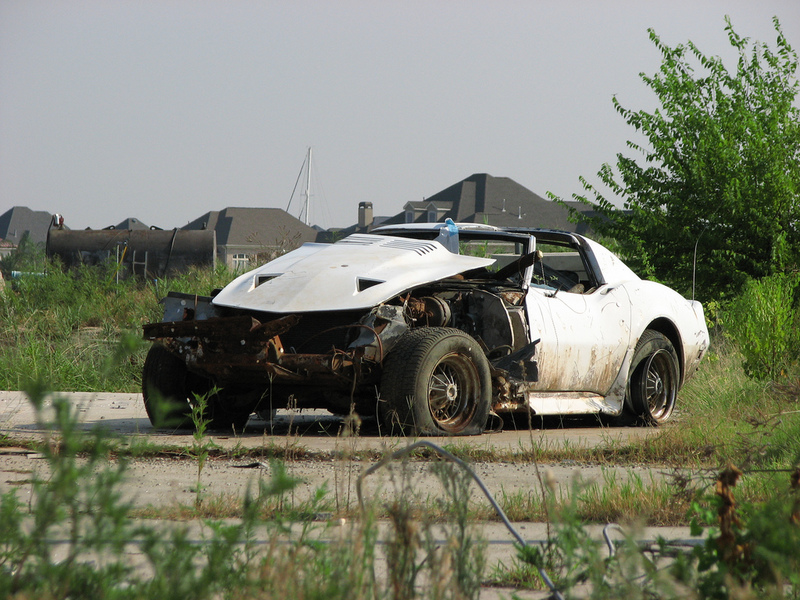
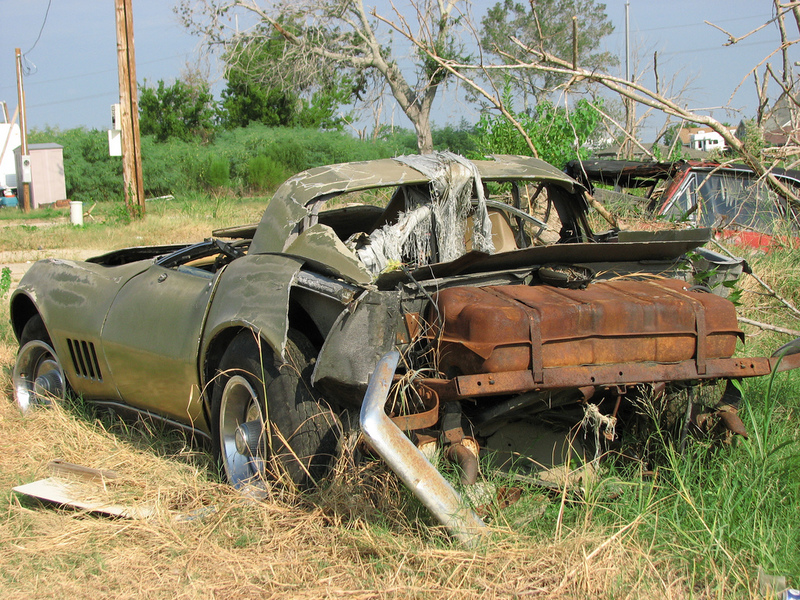
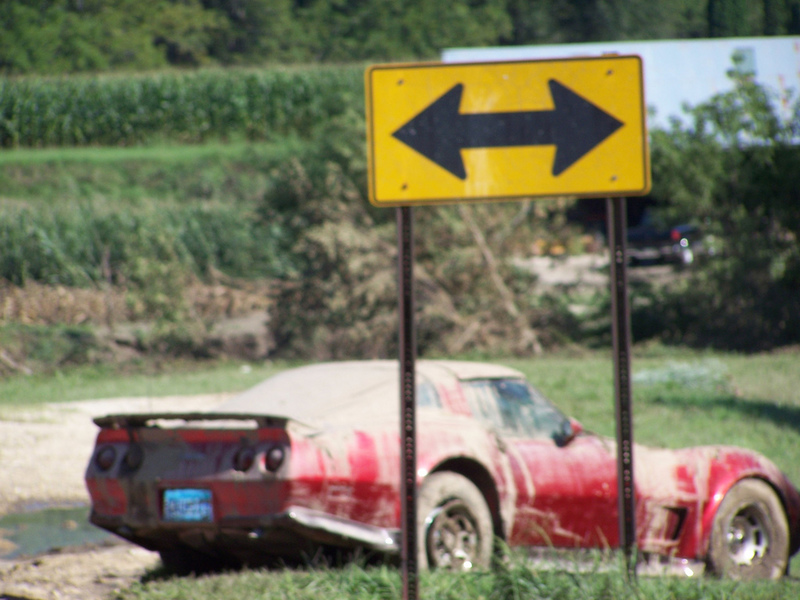
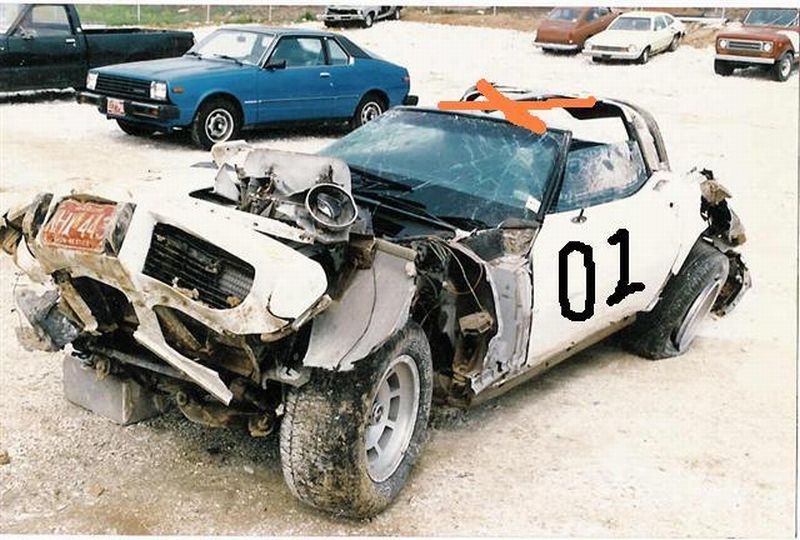
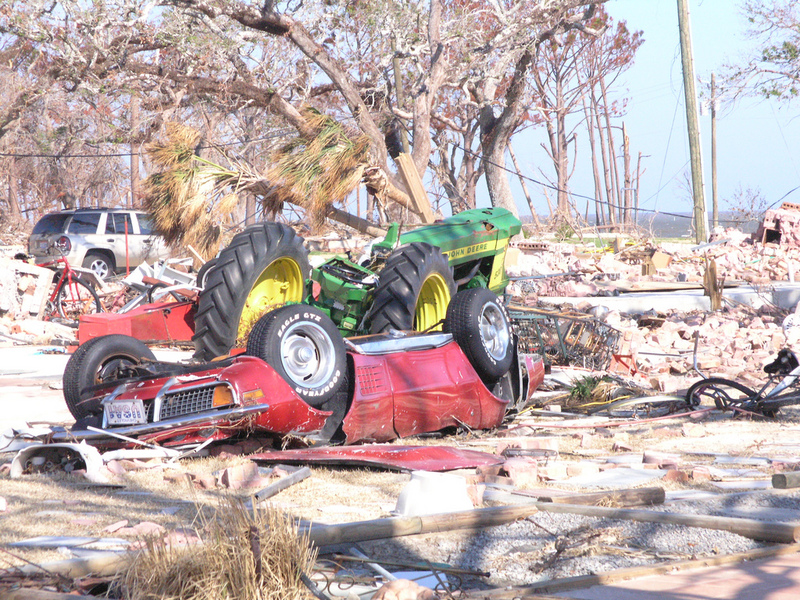
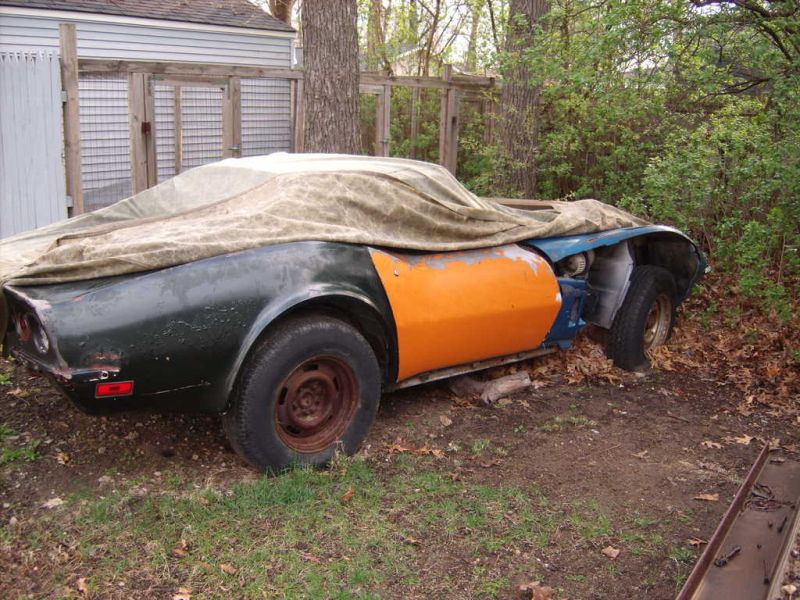
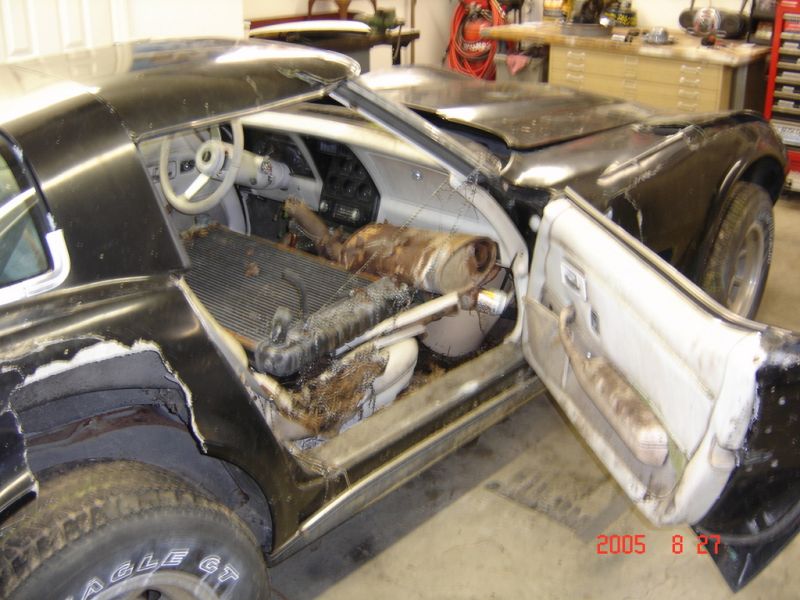
This is a picture collection of C3 Corvettes that may be close to their final resting place. There is a possibility that some of them may be brought back to life. If you love C3 Corvettes some of these pictures may be disturbing. Are these cars salvage or can they be restored? You be the judge.
What decides it
The question is almost never about the bodywork. Fibreglass is repairable to a degree steel is not: panels can be sectioned, bonded and reshaped, and every major panel on a C3 is reproduced. A car with the front clip smashed in looks far worse in a photograph than it is.
What decides a C3's fate is the steel underneath. The birdcage, the welded frame around the windscreen, doors and roof, has to be sound or made sound, and getting at it means separating the body from the frame. The frame rails themselves, especially the boxed section ahead of the rear wheels, are the other half of the answer. Once both are gone, you are no longer restoring a car, you are building one around a VIN plate.
When it is worth doing anyway
Sometimes the arithmetic does not matter. A numbers-matching big block, an LT-1, a documented low-production car or a genuine 1968 convertible can justify work that would be absurd on a base 1977, because the finished car is worth the money. The same logic saves cars with a history: the one that has been in the family since new, or the one someone learned to drive in.
For everything else, the honest advice is the oldest advice in this hobby. Buy the best car you can afford rather than the cheapest one you can find, because the difference in purchase price is almost always smaller than the difference in what it costs to put right. The cars below are what the other choice looks like a few years on. What is not beyond saving is worth pulling parts from, and the salvage yard gallery covers what is worth taking off a car that is past helping.